

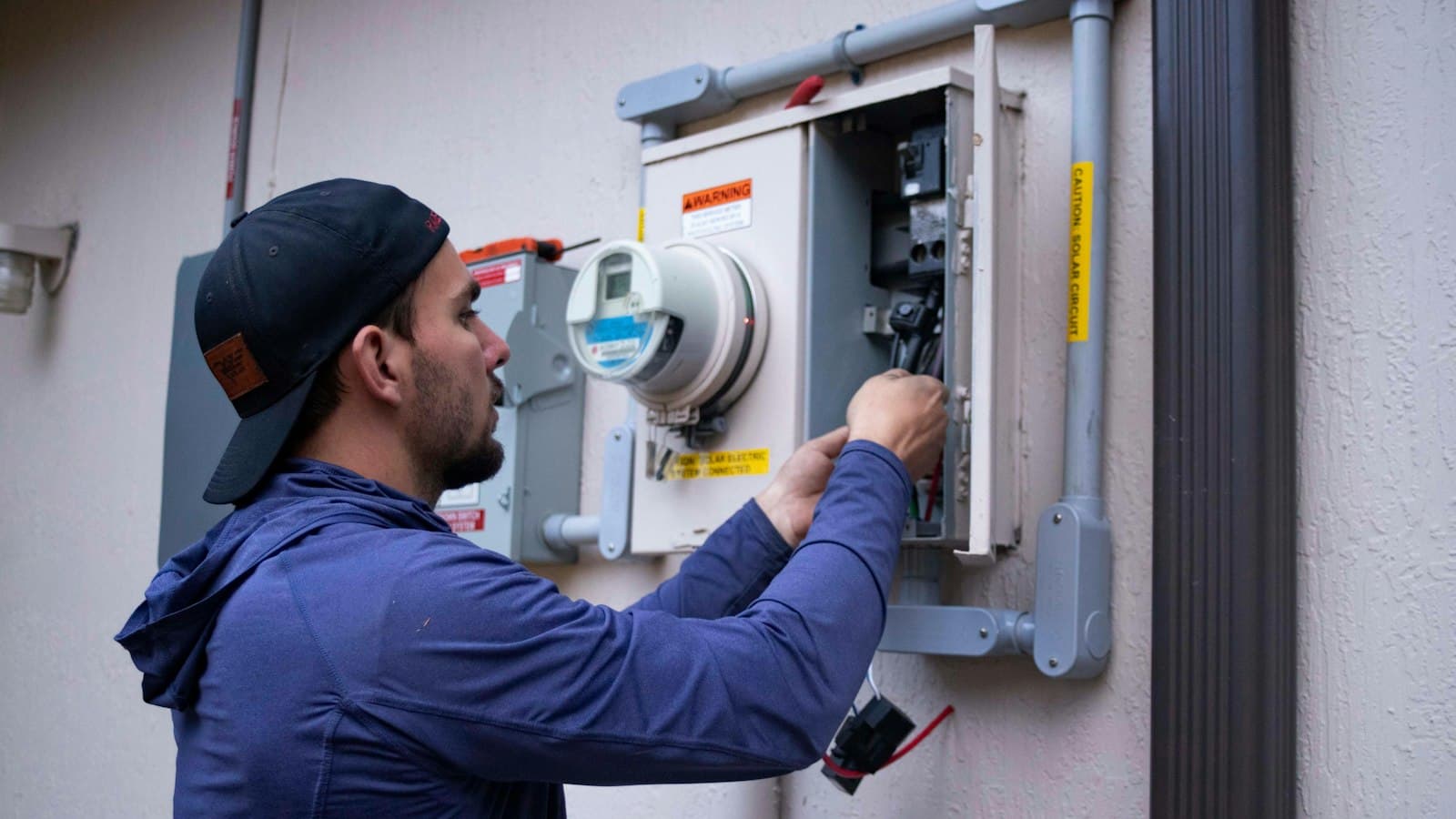
What to consider before installing an agent
An agent in a trade business is not just a chat tool. It sits inside the lead flow from every source — web forms, missed calls, directory listings, social messages — and inside the scheduling and quoting tools the business runs on. Before choosing a builder, owners should confirm which leads the agent responds to, what it is allowed to promise, how it books against real crew availability, and where every conversation is logged.
Questions for the owner, the office, and the crew lead
Useful planning usually involves more than one person. The office may focus on the phone, the calendar, and the quotes waiting on a reply. The owner may need to consider price, reputation, and which jobs are worth chasing. The crew lead may care about drive time, job length, and what “available Tuesday” actually means.
- Which lead sources should the agent answer, and how fast?
- What can it quote or estimate, and what must wait for a site visit?
- How does it see crew availability, and can it book directly or only propose?
- When a job is complete, who asks for the review — the agent, the tech, or both?
Key areas to compare when reviewing an agent builder
Speed to lead and qualification
Ask how the agent responds in the first minute: what it asks (job type, location, urgency, property), what it offers (a time window, a call back, a rough range), and when it hands the lead to a human. The builder should be able to show the response time, not describe it. Talk to us about a scoped pilot.
Scheduling and dispatch fit
A suitable agent reads crew availability from the scheduling tool the business already uses and books inside its rules — service area, job length, buffer time — rather than creating a second calendar the office has to reconcile.
Estimate follow-up
Most trade businesses lose more to silence than to competitors. Ask how the agent follows up on unsold estimates — the cadence, the tone, when it stops, and when it alerts the owner that a big job is going quiet.
Reviews, reputation, and monitoring
The agent should request the review at the right moment and route complaints to a person before they land in public. Ask how the builder monitors the agent, what the business receives each week, and what happens when the scheduling tool changes or a phone number moves.
How a first home-service engagement is typically shaped
A useful builder conversation starts with the business context. Share the lead sources and rough volume, the scheduling and quoting tools, the service area, the jobs that are worth chasing and the ones that are not, and the hours nobody is answering. If the business already uses an answering service or a lead-response tool, say so; a good engagement replaces the weakest link first. Most first agents start as a scoped pilot on lead response, with a fixed setup fee and a monthly retainer for hosting, monitoring, and improvements.
A practical review checklist for trade businesses: before approving an agent proposal, write down the lead sources it answers, the promises it can make, the calendar it books against, the follow-up rules, the weekly report, and who to call when it breaks. The aim is to make responsibilities clear before installation, not after a customer is waiting on a reply.
Home-service AI agent FAQs
- What should a home-service agent handle first?
- Lead response. The first company to answer usually wins the job, and the agent can reply, qualify, and offer a window in seconds while the owner is on a roof. Estimate follow-up and review requests come next.
- Can the agent give prices?
- Only what the owner allows. Many businesses let the agent share a starting range or a diagnostic fee and leave firm quotes to a site visit. That rule should be written down before launch.
- How does it know when the crew is free?
- By reading the scheduling tool the business already uses, with the business’s own account and rules. If the business schedules on a whiteboard, that is the first thing to fix — before the agent.
- What does the owner see?
- A short daily or weekly summary: leads answered, jobs booked, estimates chased, anything escalated. Every conversation is logged so the office can check any exchange without asking the builder.
Ready to scope one?
Book a free thirty-minute call. We look at your workflow, your systems, and the first agent worth building — no pitch unless you ask for one.
Book a call